• Updated
• 11 min read
Open vs Enclosed Auto Transport: Which Is Right for Your Vehicle?
Key TakeawayOpen auto transport is the affordable choice for most daily drivers; enclosed costs more and protects luxury, classic, and high-value cars from weather and debris. At Ultimate Transport 123, enclosed typically runs about 30–50% more than open on the same route. Call 1-888-885-9123 for a side-by-side quote.
For vehicle-specific guidance, the $75,000 rule of thumb below explains when enclosed transport may be the better fit.
Related guides: 2026 car shipping costs, Long Island car shipping, and shipping a car to Hawaii, and get a side-by-side quote.
Choosing between open and enclosed auto transport is one of the most important decisions you will make when shipping your vehicle. Both methods are safe and reliable, but they serve different needs and budgets.
At Ultimate Transport 123, we offer both open and enclosed auto transport services nationwide. In this guide, we break down every difference between the two so you can make the best choice for your specific vehicle and situation.
What Is Open Auto Transport?
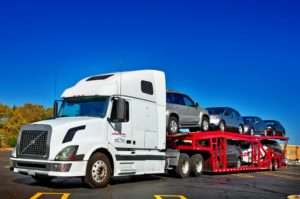
Open auto transport is the most common method of vehicle shipping in the United States. Your car is loaded onto an open, multi-level car carrier — the same type of truck you see on highways carrying new vehicles from factories to dealerships.
These carriers typically hold 7 to 10 vehicles at a time. Your car is secured to the carrier using professional-grade straps and wheel nets, but it is exposed to the open air during transit. This means your vehicle may encounter rain, dust, road spray, and small debris during the journey, though significant damage is extremely rare.
How Open Transport Works
- A multi-car carrier is dispatched to your pickup location (or a nearby terminal).
- The driver performs a thorough inspection of your vehicle and documents its condition on a Bill of Lading.
- Your vehicle is driven onto the carrier and secured using hydraulic lifts and tie-down straps.
- The carrier travels to the delivery destination, potentially making stops along the way to pick up or deliver other vehicles on the same route.
- Upon arrival, the driver conducts another inspection with you to confirm the vehicle’s condition.
What Is Enclosed Auto Transport?
Enclosed auto transport uses a fully covered trailer — either a hard-sided or soft-sided enclosure — to ship vehicles. These trailers completely shield your car from weather, road debris, UV exposure, and prying eyes during transit.
Enclosed carriers hold 2 to 6 vehicles, meaning there are fewer vehicles on each truck and each vehicle receives more individualized attention. Many enclosed carriers also feature hydraulic lift gates that allow vehicles to be loaded and unloaded without driving them up a ramp, which is especially important for low-clearance vehicles.
Types of Enclosed Carriers
- Hard-sided enclosed: Metal walls and roof for maximum protection. Often climate-controlled. Best for the highest-value vehicles.
- Soft-sided enclosed: Heavy-duty canvas or vinyl covering over a frame. Provides excellent protection at a slightly lower cost than hard-sided options.
- Single-vehicle enclosed: Dedicated trailer for one car only. Maximum security and the fastest transit, but the most expensive option.
Side-by-Side Comparison Table
| Feature | Open Transport | Enclosed Transport |
|---|---|---|
| Average cost (1,000 miles) | $700 – $1,050 | $1,000 – $1,450 |
| Cost premium | Base price | 30-50% more |
| Vehicles per carrier | 7-10 | 2-6 |
| Weather protection | None (exposed) | Full protection |
| Road debris protection | Minimal | Full protection |
| UV protection | None | Full protection |
| Privacy/security | Vehicle visible | Vehicle hidden from view |
| Carrier availability | High (fastest pickup) | Lower (may wait 2-7 days longer) |
| Loading method | Driven up ramp | Often hydraulic lift gate |
| Typical insurance coverage | $500K – $1M | $1M+ |
| Market share | ~90% of all shipments | ~10% of all shipments |
| Best for | Daily drivers, standard vehicles | Luxury, classic, exotic, high-value |
Cost Difference: Open vs Enclosed
The price premium for enclosed transport varies by distance and season, but generally falls in the 30-50% range over open transport. Here is a detailed breakdown:
| Distance | Open Transport | Enclosed Transport | Price Difference |
|---|---|---|---|
| 500 miles | $500 – $750 | $700 – $1,050 | +$200 – $300 |
| 1,000 miles | $700 – $1,050 | $1,000 – $1,450 | +$300 – $400 |
| 1,500 miles | $850 – $1,200 | $1,200 – $1,700 | +$350 – $500 |
| 2,000 miles | $1,000 – $1,400 | $1,400 – $1,950 | +$400 – $550 |
| 3,000 miles | $1,200 – $1,600 | $1,700 – $2,200 | +$500 – $600 |
Pros and Cons of Open Transport
Pros
- Most affordable option (30-50% less than enclosed)
- Fastest pickup times due to high carrier availability
- Proven safe — 90% of all vehicles ship this way
- New cars from factories travel on open carriers
- Wide network of carriers on all routes
- More scheduling flexibility
Cons
- Exposed to rain, snow, dust, and road spray
- Potential for minor cosmetic issues (bugs, light dust)
- Vehicle is visible to passersby
- Slightly higher risk of small rock chips
- Not ideal for extremely low-clearance vehicles
- Standard (not enhanced) insurance coverage
Pros and Cons of Enclosed Transport
Pros
- Complete weather and debris protection
- UV protection preserves paint and interior
- Hydraulic lift gates for low-clearance vehicles
- Vehicle hidden from view (security/privacy)
- Higher insurance coverage amounts
- More individualized care (fewer vehicles per carrier)
- Professional drivers experienced with high-value vehicles
Cons
- 30-50% more expensive than open
- Fewer carriers available (longer wait for pickup)
- May require booking 2-3 weeks in advance
- Limited availability on less popular routes
- Overkill for standard daily-driver vehicles
Not Sure Which Option Is Right for You?
Our transport coordinators can help you choose the best shipping method for your specific vehicle and budget.
When to Choose Open Transport
Open auto transport is the right choice for the majority of vehicle shipments. You should choose open transport when:
- You are shipping a standard daily driver — sedans, crossovers, SUVs, minivans, and pickup trucks
- Your vehicle is worth under $75,000 and is not a collector or classic car
- Budget is a priority and you want the most cost-effective option
- You need fast pickup — open carriers are available on virtually every route
- You are relocating and shipping a family vehicle alongside a household move
- You bought a used car online from another state
- You are a snowbird shipping a practical vehicle to your winter home
- You are in the military and need to ship a standard vehicle during a PCS move
To put this in perspective: every major automaker in the world ships brand-new vehicles from factory to dealership on open carriers. If open transport is safe enough for a new $50,000 vehicle straight off the assembly line, it is safe enough for most personal vehicles.
When to Choose Enclosed Transport
Enclosed transport is worth the premium when your vehicle requires extra protection. Choose enclosed transport when shipping:
- Luxury vehicles: Mercedes S-Class, BMW 7 Series, Porsche, Tesla Model S Plaid, Audi R8, and similar
- Exotic and supercars: Ferrari, Lamborghini, McLaren, Bugatti, Aston Martin, Pagani
- Classic and antique cars: Restored muscle cars, vintage European classics, pre-war automobiles
- Custom and show cars: SEMA builds, concours-quality restorations, custom paint jobs
- Low-clearance vehicles: Lowered cars, wide-body kits, ground-effects packages that cannot drive up a standard ramp
- Convertibles on long routes: Extended exposure to rain, debris, and sun can damage soft tops
- Vehicles with significant sentimental value: Inherited classics, first-edition models, or irreplaceable vehicles
- Race cars and track vehicles: High-performance vehicles going to or from events
The $75,000 Rule of Thumb
A common industry guideline: if your vehicle is worth $75,000 or more, strongly consider enclosed transport. The additional cost of $300-$600 is a small percentage of the vehicle’s value and provides significant peace of mind. For vehicles worth $150,000+, enclosed transport is practically a must.
That said, the decision is personal. Some owners of $50,000 sports cars prefer enclosed transport for peace of mind, while some owners of $100,000 trucks are perfectly comfortable with open transport. There is no wrong answer — only what is right for you.
Insurance and Liability Differences
Both open and enclosed carriers are required by the Federal Motor Carrier Safety Administration (FMCSA) to carry cargo insurance, but coverage levels and policies can differ:
Open Transport Insurance
- Carriers typically carry $500,000 to $1,000,000 in total cargo coverage
- Coverage is shared across all vehicles on the carrier (7-10 vehicles)
- Standard deductibles may apply
- Claims process is straightforward but may have exclusions for pre-existing conditions
Enclosed Transport Insurance
- Carriers typically carry $1,000,000 or more in total cargo coverage
- Coverage is shared across fewer vehicles (2-6), meaning more coverage per vehicle
- Many enclosed carriers offer “gap-free” or “bumper-to-bumper” coverage
- Lower or zero deductibles are more common
- Some carriers offer additional “stated value” coverage for high-value vehicles
Regardless of which option you choose, always ask for a certificate of insurance before your vehicle is loaded and take detailed photos of your vehicle’s condition before and after transport. At Ultimate Transport 123, we work only with fully insured, licensed carriers and can provide insurance details for your peace of mind.
Common Myths About Open vs Enclosed Transport
Myth 1: “Open transport will damage my car.”
Reality: The vast majority of vehicles shipped via open transport arrive in the same condition they were picked up in. Damage incidents are rare — well under 1% of shipments. The most common issue is light dust or a few bugs, which is easily washed off.
Myth 2: “Enclosed transport is only for millionaires.”
Reality: While enclosed transport does cost more, the premium is typically $300-$600 over open transport for most routes. Many middle-class car enthusiasts choose enclosed transport for their pride-and-joy classic cars or sports cars. It is a reasonable investment for any vehicle you value highly.
Myth 3: “Open carriers are less professional than enclosed.”
Reality: Professional open carrier drivers undergo the same training and licensing requirements as enclosed carrier drivers. Many have decades of experience handling all types of vehicles. The quality of service depends on the specific carrier and driver, not the transport type.
Myth 4: “I need enclosed transport during winter.”
Reality: Open transport is perfectly fine during winter for standard vehicles. Your car encounters the same weather conditions it would face driving on the road. However, if you are shipping a show car or vehicle with a fresh paint job, enclosed transport during winter does eliminate the risk of road salt spray.
Myth 5: “Enclosed transport is always faster.”
Reality: Actually, open transport often has faster pickup times because there are far more open carriers on the road. Enclosed carriers may take longer to arrange but transit times once loaded are comparable.
Our Recommendation
How to Decide: A Simple Framework
Ask yourself these three questions:
- Is my vehicle worth $75,000 or more? If yes, choose enclosed.
- Is my vehicle a classic, exotic, custom, or show car? If yes, choose enclosed.
- Would cosmetic imperfections (a small rock chip, light dust) cause me significant stress? If yes, consider enclosed.
If you answered “no” to all three, open transport is almost certainly the right choice. It will save you money, get your vehicle picked up faster, and deliver it safely — just like the 90% of all vehicle shipments that use open carriers every day.
At Ultimate Transport 123, we are happy to provide quotes for both open and enclosed transport so you can compare pricing for your specific route and vehicle. Our transport coordinators can also offer personalized recommendations based on your vehicle type, route, and concerns.
Get Quotes for Open and Enclosed Transport
Compare pricing and make an informed decision. Free, no-obligation quotes for both transport types.
Frequently Asked Questions
Open auto transport uses an uncovered multi-car carrier that holds 7-10 vehicles, exposing them to weather and road debris. Enclosed auto transport uses a fully covered trailer holding 2-6 vehicles, providing complete protection from the elements. Open transport is more affordable and widely available, while enclosed costs 30-50% more but offers superior protection for high-value vehicles.
Enclosed car shipping typically costs 30-50% more than open transport. For a 1,000-mile shipment, open transport averages $700-$1,050 while enclosed averages $1,000-$1,450. For cross-country shipments (2,500+ miles), expect $1,100-$1,500 for open and $1,550-$2,100 for enclosed. The dollar premium ranges from $200-$600 depending on distance.
Yes, open auto transport is very safe. Approximately 90% of all vehicles in the United States are shipped via open carriers, including brand-new cars delivered from manufacturers to dealerships. The risk of significant damage is well under 1%, and all reputable carriers carry cargo insurance. Minor cosmetic issues like light dust or small bugs are the most common occurrences and are easily washed off.
Choose enclosed auto transport when shipping: luxury vehicles worth $75,000 or more, classic or antique cars, exotic sports cars (Ferrari, Lamborghini, etc.), custom or show cars, low-clearance vehicles that cannot drive up a standard carrier ramp, convertibles on long-distance routes, or any vehicle with significant sentimental or collector value.
Enclosed shipping can take 1-3 days longer to arrange because there are fewer enclosed carriers on the road and they hold fewer vehicles. However, once your vehicle is loaded, actual transit times are comparable. Booking enclosed transport 2-3 weeks in advance helps ensure timely pickup.
Most new cars are shipped via open transport from the manufacturer to dealerships. The large multi-car carriers you see on highways carrying brand-new vehicles are open carriers. However, some ultra-luxury and exotic dealerships opt for enclosed transport for their highest-value inventory, such as Rolls-Royce, Bentley, and Ferrari models.
All licensed auto transport carriers are required by the FMCSA to carry cargo insurance. Open carriers typically carry $500,000 to $1,000,000 in cargo coverage. Enclosed carriers often carry higher coverage amounts, sometimes $1,000,000 or more, and may include gap-free or bumper-to-bumper coverage. Always verify coverage details and request a certificate of insurance before shipping.
Related Resources
Ship Your Vehicle the Right Way
Whether you choose open or enclosed, Ultimate Transport 123 delivers your vehicle safely, on time, and at a fair price. Get started today.
{
“@context”: “https://schema.org”,
“@type”: “Article”,
“headline”: “Open vs Enclosed Auto Transport: Which Is Right for Your Vehicle?”,
“description”: “A comprehensive comparison of open and enclosed auto transport including costs, pros, cons, and expert recommendations for choosing the right option.”,
“author”: {
“@type”: “Organization”,
“name”: “Ultimate Transport 123”,
“url”: “https://ultimatetransport123.com”
},
“publisher”: {
“@type”: “Organization”,
“name”: “Ultimate Transport 123”,
“url”: “https://ultimatetransport123.com”,
“logo”: {
“@type”: “ImageObject”,
“url”: “https://ultimatetransport123.com/logo.png”
}
},
“datePublished”: “2026-03-04”,
“dateModified”: “2026-03-04”,
“mainEntityOfPage”: {
“@type”: “WebPage”,
“@id”: “https://ultimatetransport123.com/blog/open-vs-enclosed-auto-transport/”
}
}
{
“@context”: “https://schema.org”,
“@type”: “FAQPage”,
“mainEntity”: [
{
“@type”: “Question”,
“name”: “What is the difference between open and enclosed auto transport?”,
“acceptedAnswer”: {
“@type”: “Answer”,
“text”: “Open auto transport uses an uncovered multi-car carrier that holds 7-10 vehicles, exposing them to weather and road debris. Enclosed auto transport uses a fully covered trailer holding 2-6 vehicles, providing complete protection from the elements. Open transport is more affordable and widely available, while enclosed costs 30-50% more but offers superior protection.”
}
},
{
“@type”: “Question”,
“name”: “How much more does enclosed car shipping cost than open?”,
“acceptedAnswer”: {
“@type”: “Answer”,
“text”: “Enclosed car shipping typically costs 30-50% more than open transport. For a 1,000-mile shipment, open transport averages $700-$1,050 while enclosed averages $1,000-$1,450. For cross-country shipments (2,500+ miles), expect $1,100-$1,500 for open and $1,550-$2,100 for enclosed.”
}
},
{
“@type”: “Question”,
“name”: “Is open auto transport safe for my car?”,
“acceptedAnswer”: {
“@type”: “Answer”,
“text”: “Yes, open auto transport is safe for the vast majority of vehicles. Approximately 90% of all vehicles in the United States are shipped via open carriers, including brand-new cars delivered from manufacturers to dealerships. The risk of damage is very low, and all reputable carriers carry cargo insurance. Minor cosmetic issues like light dust or small bugs are the most common occurrences.”
}
},
{
“@type”: “Question”,
“name”: “When should I choose enclosed auto transport?”,
“acceptedAnswer”: {
“@type”: “Answer”,
“text”: “Choose enclosed auto transport when shipping luxury vehicles worth $75,000+, classic or antique cars, exotic sports cars (Ferrari, Lamborghini, etc.), custom or show cars, low-clearance vehicles, convertibles on long-distance routes, or any vehicle with significant sentimental or collector value. The extra cost provides full protection from weather, road debris, and UV exposure.”
}
},
{
“@type”: “Question”,
“name”: “Does enclosed shipping take longer than open transport?”,
“acceptedAnswer”: {
“@type”: “Answer”,
“text”: “Enclosed shipping can take 1-3 days longer to arrange because there are fewer enclosed carriers on the road and they hold fewer vehicles (2-6 vs. 7-10). However, once your vehicle is loaded, actual transit times are comparable. Booking enclosed transport 2-3 weeks in advance helps ensure timely pickup.”
}
},
{
“@type”: “Question”,
“name”: “Are new cars shipped in open or enclosed transport?”,
“acceptedAnswer”: {
“@type”: “Answer”,
“text”: “Most new cars are shipped via open transport from the manufacturer to dealerships. The large multi-car carriers you see on highways carrying brand-new vehicles are open carriers. However, some ultra-luxury and exotic dealerships opt for enclosed transport for their highest-value inventory, such as Rolls-Royce, Bentley, and Ferrari models.”
}
},
{
“@type”: “Question”,
“name”: “What type of insurance is included with auto transport?”,
“acceptedAnswer”: {
“@type”: “Answer”,
“text”: “All licensed auto transport carriers are required by the FMCSA to carry cargo insurance. Open carriers typically carry $500,000 to $1,000,000 in cargo coverage. Enclosed carriers often carry higher coverage amounts, sometimes $1,000,000 or more, and may include gap-free coverage. Always verify coverage details and request a certificate of insurance before shipping.”
}
}
]
}
Related posts:
- Why Your Auto Transport Quote Seems Too High: 2026 Breakdown of Hidden Fees, Route Premiums & What You Can Actually Negotiate
- April 2026 Fuel Surcharges and Hidden Costs Explained
- April 2026 Gas Prices Hit $3.75/Gallon: Which Routes Are Still Profitable (And Which Ones Cost You Money)
- EV Shipping Insurance Costs in 2026: Why Tesla & Rivian Owners Pay 2-3x More (And How to Quote Confidently)
- April 2026 Auto Transport Market Report: Gas Prices Rise, Spring PCS Season Peaks, Rate Trends by Corridor